How to build a bake sale table people actually want to shop
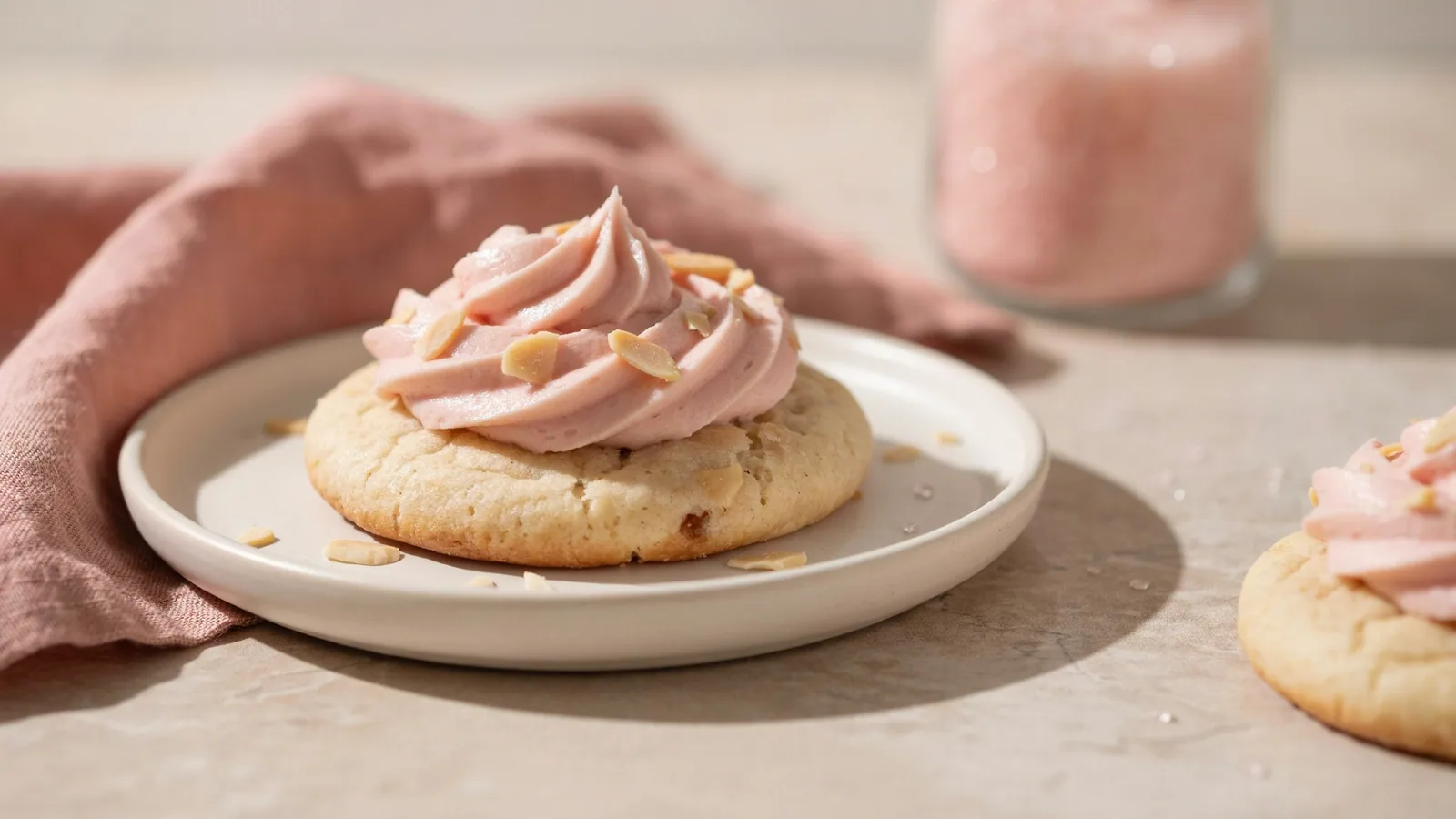
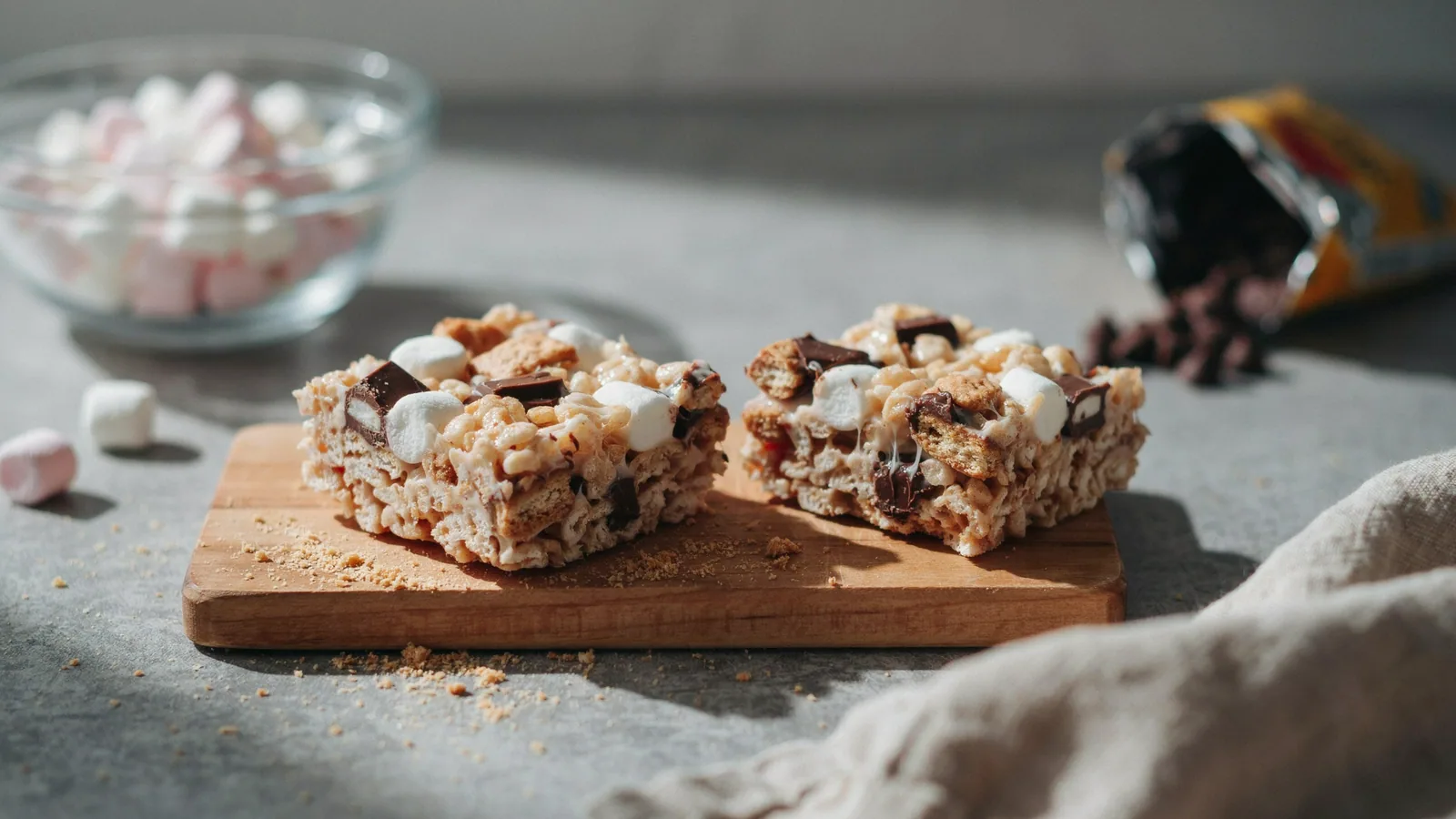
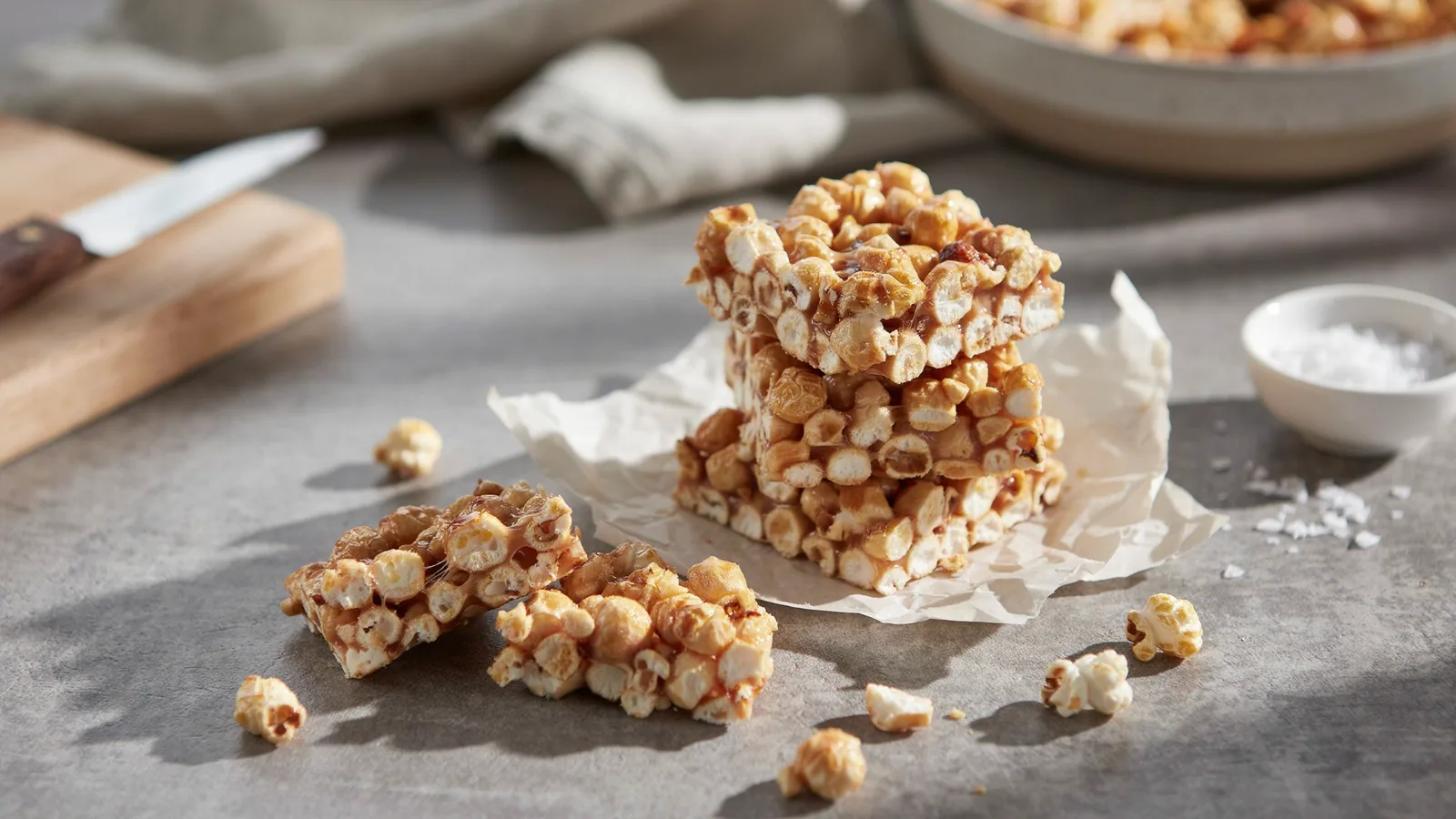
The best assortment is not eight versions of the same cookie. Aim for a mix: one eye-catching frosted cookie, a sturdy bar, something chocolatey, a salty-sweet option and at least one tiny treat that can be bundled into a lower-priced bag.
Prioritize treats that hold their shape. Anything that needs a plate, last-minute garnish or careful refrigeration is harder to sell from a busy table. Cookies, cereal bars, set chocolate treats and compact no-bake sweets are much easier to transport and display.
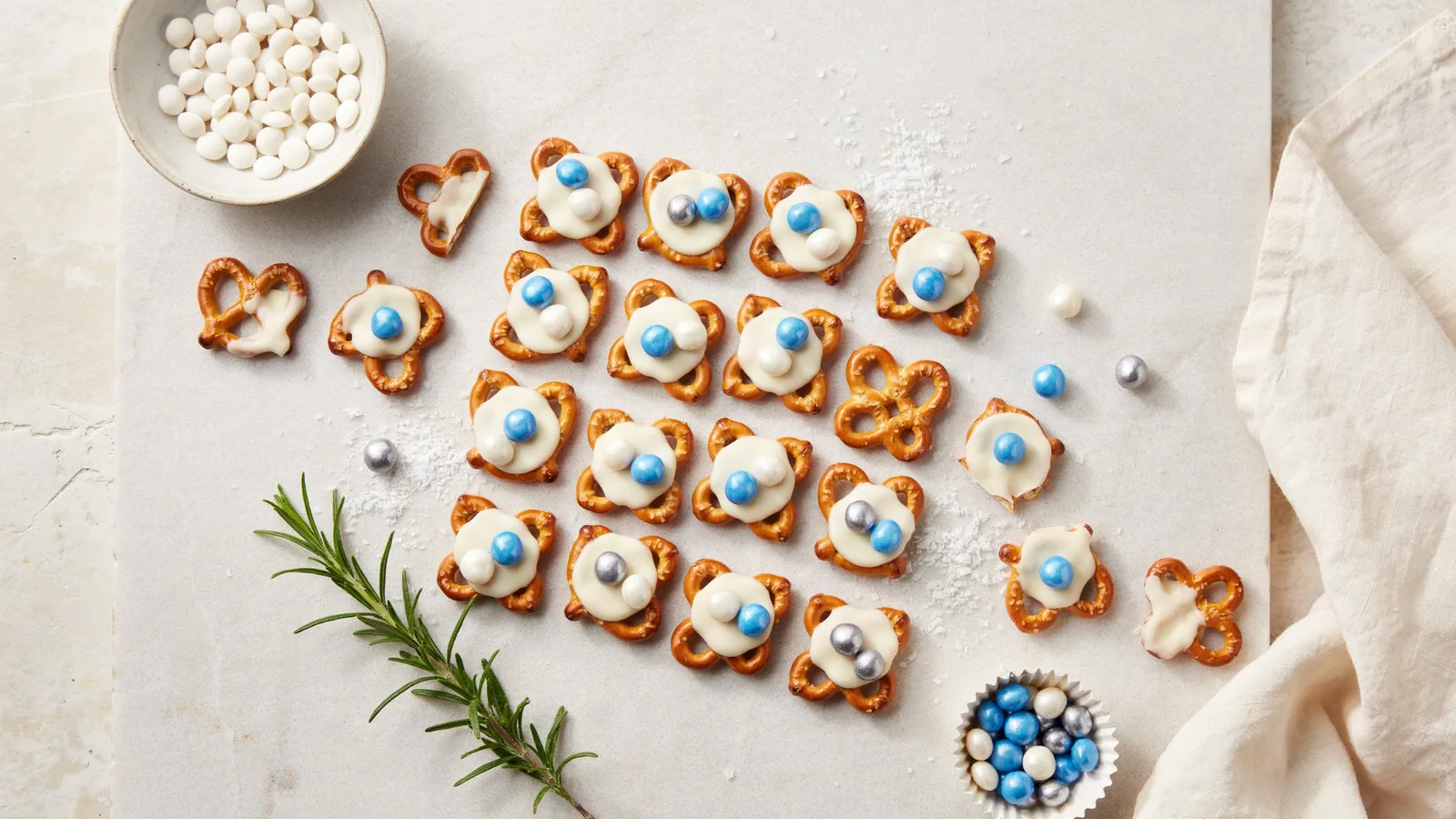
Think about the package before you bake. A large cookie naturally becomes one sellable unit. Small pretzel bites or candies make more sense grouped together. Choosing the portion first makes it much easier to estimate how many batches you need.
A simple make-ahead plan
Two days before: shop, organize packaging and make sturdy no-bake treats that store well according to their individual recipe directions.
The day before: bake cookies and bars. Cool everything completely before cutting, frosting or packaging. Warm food sealed in plastic creates condensation and can turn crisp treats soft.
The morning of the sale: finish any delicate packaging, add labels and arrange treats in boxes for transport. Keep chocolate away from heaters and direct sun.
How much should you make?
There is no single correct number because a classroom fundraiser and a large community fair have very different traffic. Instead of guessing one huge total, decide how many sellable units you want from each recipe. For example, 24 individually wrapped cookies plus 12 bags of four pretzel bites gives you 36 items for the table. Use the yield on each linked recipe to work backward into batches.
Packaging without making it complicated
Clear food-safe bags are useful for cookies, bars and small treat bundles because shoppers can see what they are buying. Bakery boxes are better for larger quantities or delicate decorations. Parchment between layers helps prevent sticking.
For school or community events, clearly identify common allergens when required by the organizer. The individual recipes contain their actual ingredients; use those rather than trying to create one generic allergen statement for the whole roundup.
Easy recipes, no guesswork
Make party food easier.
Get practical recipes, useful swaps and seasonal ideas delivered to your inbox.